
Microneedling has become one of the most popular skin treatments for improving acne scars, fine lines, skin texture, and overall collagen production. But as the treatment has grown in popularity, so have the tools.
Today, there are two main categories of devices:
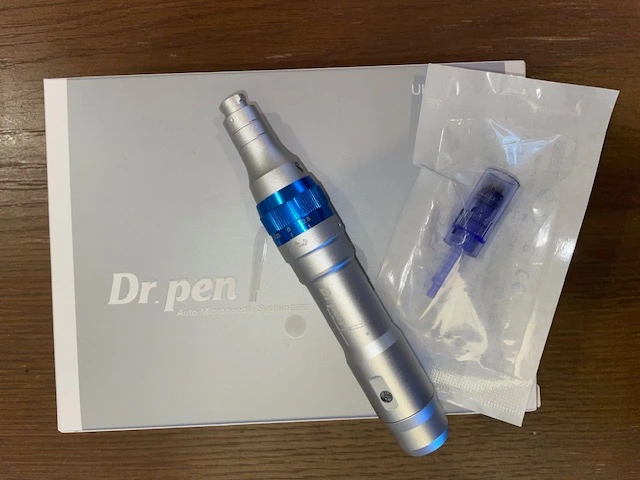
• At-home microneedling pens (like Dr. Pen)
• Professional in-office devices (like SkinPen or MD Pen)
At first glance, these tools can look nearly identical — they’re all pen-shaped devices with tiny needles that puncture the skin. But the differences between them are much deeper than aesthetics. From needle depth and regulatory oversight to safety and clinical results, these devices operate in very different categories.
Here’s a breakdown of how they’re different, how they’re similar, and what that means for your skin.
First: What Microneedling Actually Does
Microneedling works by creating controlled micro-injuries in the skin using extremely fine needles. These tiny punctures trigger the body’s wound-healing response, which stimulates:
• Collagen production
• Elastin formation
• Cellular turnover
• Skin remodeling
The end result can include smoother texture, improved scars, reduced wrinkles, and stronger skin structure.
Medical microneedling devices are even FDA-cleared to improve the appearance of acne scars and wrinkles, highlighting their role as legitimate medical aesthetic tools.
At-Home Microneedling Pens (Dr. Pen and Similar Devices)
What They Are
At-home microneedling pens are consumer devices sold online for DIY treatments. Popular brands include Dr. Pen, which has several models (A6, M8, etc.).
These devices mimic professional microneedling pens but are marketed for personal use.
Typical Features
Most consumer microneedling pens have:
• Adjustable needle cartridges
• Motorized needle stamping
• Multiple speed settings
• Depth ranges that can technically reach 0.25 mm–2.5 mm depending on the device.
However, despite these specifications, at-home treatments are generally recommended at shallow depths.
Typical Depth Used at Home
Most experts recommend keeping at-home needling to 0.25–0.5 mm, which primarily affects the outer epidermis layer.
At this depth, the main benefits include:
• Increased skincare absorption
• Mild skin texture improvement
• Short-term glow
However, this depth typically does not reach the dermis, where collagen remodeling occurs.
Limitations
The biggest limitations of home microneedling tools include:
Limited safety oversight
Many consumer devices are not FDA-cleared medical devices and their safety and effectiveness may not be reviewed.
Technique variability
When performing microneedling on yourself:
• Pressure may be uneven
• Needle angles can vary
• Coverage can be inconsistent
This can increase the risk of irritation or injury.
Infection risk
Microneedling temporarily opens the skin barrier. Without sterile technique, there is a risk of:
• bacterial infection
• post-inflammatory hyperpigmentation
• scarring
This is especially important for deeper needling.
Professional Microneedling Devices (SkinPen & MD Pen)
Professional devices are designed specifically for use by licensed providers in medical or clinical environments.
Two of the most well-known devices are:
• SkinPen
• MD Pen
While they function similarly to consumer pens, they operate in a medical-grade category.
FDA Clearance and Regulation
One of the biggest distinctions is regulatory oversight.
For example:
• SkinPen is the first FDA-cleared microneedling device.
• The device has clinical data supporting its use for acne scars and wrinkles.
FDA clearance means the device has gone through rigorous testing for safety and efficacy.
Adjustable Depth That Reaches the Dermis
Professional devices can safely reach deeper layers of the skin.
Typical treatment depths:
• 0.5 mm – 2.5 mm depending on treatment area.
This allows providers to target the dermis, where collagen and elastin are produced.
That’s why professional microneedling is used for:
• Acne scars
• Stretch marks
• Wrinkles
• Skin laxity
Sterile, Single-Use Needle Cartridges
Professional treatments use single-use sterile cartridges, reducing infection risk and ensuring hygiene.
Each cartridge is opened during the appointment and disposed of afterward.
Treatment Customization
A major advantage of in-office microneedling is that the practitioner can adjust:
• Needle depth
• Speed of penetration
• Treatment pattern
• Pressure
• Combination therapies
Microneedling can also be paired with treatments like:
• PRP (platelet rich plasma)
• Growth factors
• RF microneedling
• Medical serums
This level of customization is difficult to replicate at home.
Key Differences at a Glance
| Feature | At-Home Pens (Dr. Pen) | Professional Devices (SkinPen / MD Pen) |
| Regulation | Often not FDA-cleared | Many are FDA-cleared medical devices |
| Needle depth | Typically used 0.25–0.5 mm | 0.5–2.5 mm |
| Target layer | Mostly epidermis | Reaches dermis |
| Results | Mild texture improvement | Collagen remodeling |
| Sterility | Depends on user | Single-use sterile cartridges |
| Customization | Limited | Fully customizable by provider |
| Risk level | Higher if misused | Lower with trained provider |
How They Are Actually Similar
Despite their differences, the devices share several core characteristics.
Same biological mechanism
Both rely on the same process:
Controlled micro-injury → wound healing → collagen production
Similar device structure
Both devices typically include:
• Motorized stamping motion
• Replaceable needle cartridges
• Adjustable speeds
Potential for skin rejuvenation
When used properly, both tools can improve:
• Skin texture
• Product absorption
• Overall skin quality
The difference is how deep and controlled the treatment can be.
So… Are At-Home Microneedling Pens Worth It?
At-home microneedling devices can have a place in skincare routines — when used conservatively and hygienically.
They may help with:
• boosting serum absorption
• mild texture improvement
• maintenance between professional treatments
However, deeper concerns like acne scars, wrinkles, and skin laxity typically require professional microneedling to stimulate meaningful collagen remodeling.
Professional treatments may cost more, but they also offer:
• deeper results
• clinical safety standards
• personalized treatment protocols
Final Thoughts
Microneedling has evolved from a niche dermatology treatment into a mainstream skincare tool — and the rise of at-home devices has made it more accessible than ever.
But accessibility doesn’t mean equivalence.
At-home microneedling pens like Dr. Pen and professional devices like SkinPen or MD Pen may look similar, but they exist in two different treatment categories: cosmetic maintenance vs clinical collagen remodeling.
Understanding that distinction can help you decide which tool is right for your skin goals — and when it’s worth leaving the needles to the professionals.
Start your review today!
Lorem ipsum dolor sit amet, consectetur adipiscing elit. Integer neque turpis, scelerisque in diam a, maximus mollis felis. In at nulla imperdiet, vestibulum libero ultrices, lobortis mauris.



 Newsletter


You must be logged in to post a comment.