

If you’ve spent any time researching how to reach overall wellness, you’ve probably come across glutathione. Often referred to as the body’s “master antioxidant,” glutathione has become a popular ingredient in supplements, IV drips, and aesthetic clinics that promote everything from skin brightening to healthy aging.
But what exactly is glutathione, and does it live up to the hype?
Glutathione benefits are extensive. It plays a vital role in protecting your cells from everyday damage, supporting your liver’s natural detoxification processes, and helping maintain a healthy immune system. While researchers have studied glutathione for decades, scientists are still learning how supplementation may benefit different groups of people and which forms are most effective.
In this guide, we’ll explore what glutathione is, how your body naturally produces it, the differences between oral and injectable forms, potential side effects, and what current research says about its benefits.
What Is Glutathione?
Glutathione is a naturally occurring molecule found in nearly every cell of the human body. Unlike many antioxidants that must come from your diet, your body is capable of making glutathione on its own using three amino acids: glutamate, cysteine, and glycine. Because it is made from three amino acids linked together, glutathione is classified as a tripeptide.
Its primary role is to protect cells from oxidative stress. Every day, your body produces unstable molecules known as free radicals through normal metabolism, exercise, environmental pollutants, ultraviolet radiation, infections, and even psychological stress. In small amounts, free radicals are a normal part of healthy cell function. Problems can arise when they begin to outnumber the body’s antioxidant defenses.
By neutralizing excess free radicals, glutathione helps maintain a healthy balance within cells, reducing oxidative damage to proteins, fats, and DNA. This protective role is one of the reasons it has attracted attention in fields ranging from longevity research to dermatology.
A Brief History of Glutathione

Glutathione was first identified in the late nineteenth century, although scientists did not fully understand its structure or function at the time. It was eventually isolated from animal tissues and later identified as a tripeptide made from glutamate, cysteine, and glycine. Over the following decades, researchers discovered that glutathione is present in exceptionally high concentrations inside cells and is essential for maintaining normal cellular function.
Today, glutathione is considered one of the body’s most important intracellular antioxidants. Thousands of scientific publications have explored its role in aging, liver function, immune health, exercise recovery, neurological conditions, and skin health. While some areas of research remain promising but inconclusive, its importance in basic human physiology is well established.
Why Is Glutathione Often Called the “Master Antioxidant”?
Many antioxidants work by donating an electron to stabilize free radicals. Glutathione does that too, but it also has another unique ability.
After glutathione neutralizes a free radical, specialized enzymes can recycle it back into its active form so it can continue protecting cells. This recycling process allows glutathione to be reused repeatedly, making it one of the body’s most efficient antioxidant systems.
Glutathione also helps regenerate other antioxidants after they’ve been used. For example, it helps restore vitamins C and E to their active forms, allowing those nutrients to continue supporting your body’s antioxidant defenses
This interconnected network is one reason researchers often refer to glutathione as the body’s “master antioxidant.”
What Does Glutathione Do in the Body?
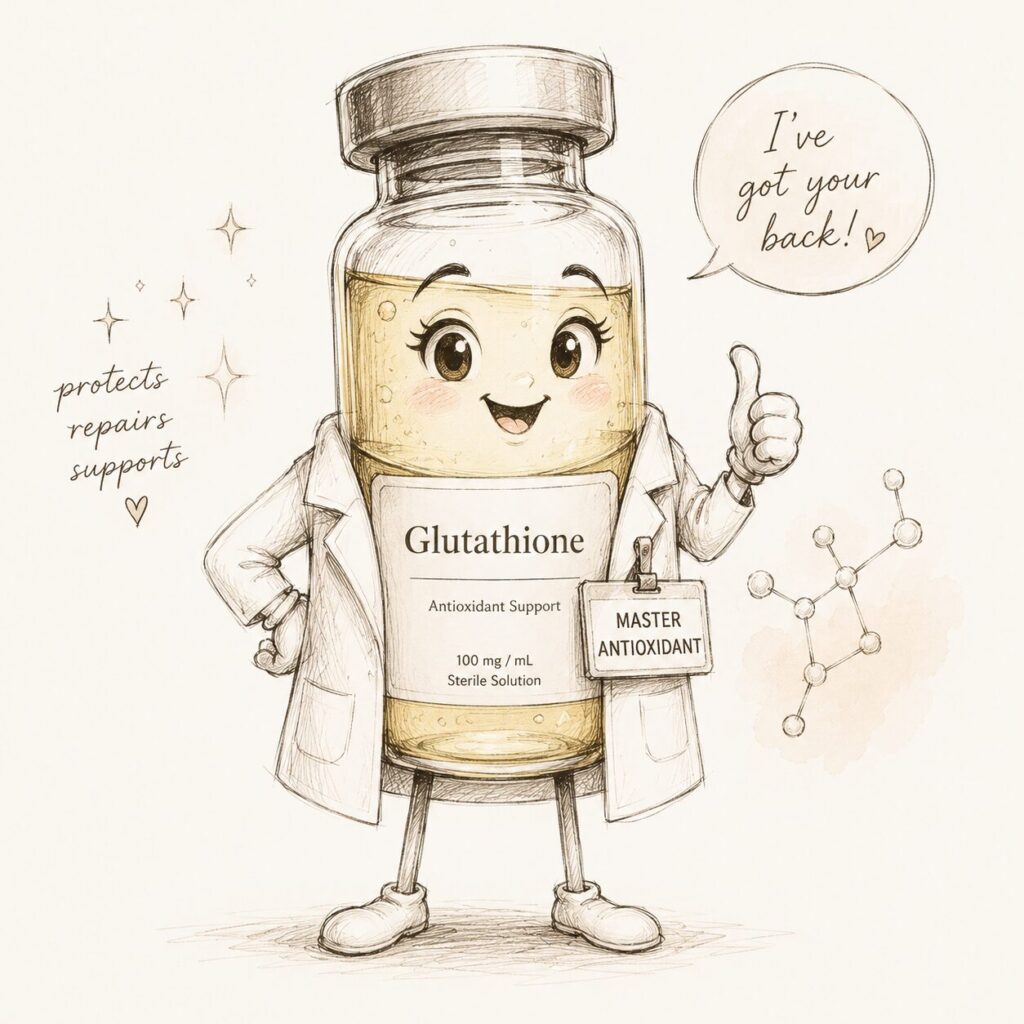
While antioxidant protection is its best-known function, glutathione supports many other important biological processes.
It Supports Your Liver’s Natural Detoxification Process
One of glutathione’s most important jobs is helping the liver process and eliminate certain medications, environmental chemicals, and naturally produced waste products. Rather than “detoxing” your body on its own, glutathione supports the liver’s existing detoxification pathways by making some compounds easier for the body to eliminate through urine or bile.
This distinction is important because no supplement can replace the complex detoxification systems already built into your liver and kidneys.
It Helps Maintain Immune Function
Immune cells rely on glutathione to function properly. Research suggests that healthy glutathione levels help regulate immune cell activity, support communication between immune cells, and protect them from oxidative damage during infections and inflammation.
Scientists continue to investigate whether increasing glutathione levels through supplementation offers meaningful benefits in healthy individuals.
It Supports Healthy Mitochondria
Mitochondria are often called the powerhouses of the cell because they produce the energy your body needs to function. Unfortunately, they also generate free radicals as a byproduct of energy production.
Glutathione helps protect mitochondria from oxidative damage, allowing them to continue producing energy efficiently.
It Helps Protect DNA and Proteins
Oxidative stress doesn’t just affect the skin. It can also damage DNA, proteins, and the fats that make up cell membranes.
By reducing oxidative damage, glutathione helps preserve the normal structure and function of these essential cellular components.
It May Play a Role in Skin Appearance
One reason glutathione has gained popularity in aesthetic medicine is its potential influence on skin tone.
Some studies suggest glutathione may shift melanin production toward pheomelanin, a lighter pigment, while also reducing oxidative stress that contributes to hyperpigmentation. Current evidence suggests that any skin-brightening effects are generally modest, vary between individuals, and often require ongoing treatment to maintain. Researchers continue to study the long-term effectiveness and safety of glutathione used specifically for cosmetic skin lightening.<u>Glutathione and skin pigmentation</u>
In the next section, we’ll explore how your body naturally makes glutathione, which foods may help support healthy glutathione levels, and why nutrients like selenium and vitamin C play an important role in keeping this antioxidant system working efficiently.
References
- Meister A. Glutathione metabolism and its selective modification. Journal of Biological Chemistry.
- Sies H. Oxidative stress: A concept in redox biology and medicine.
- Forman HJ, Zhang H, Rinna A. Glutathione: Overview of its protective roles.
- Lu SC. Regulation of glutathione synthesis.
- Townsend DM, Tew KD, Tapiero H. The importance of glutathione in human disease.
- Lu SC. Glutathione synthesis and liver detoxification.
- Ghezzi P. Role of glutathione in immunity.
- Mari M, Morales A, Colell A, et al. Mitochondrial glutathione: Features and functions.
- Jones DP. Redefining oxidative stress.
- Weschawalit S, Thongthip S, Phutrakool P, et al. Glutathione and skin lightening: A randomized controlled trial.







You must be logged in to post a comment.