



As an aesthetic nurse there are a ton of questions I receive on a daily basis regarding injectables. There’s also alot of conflicting online advice about Botox, fillers, and aesthetic treatments. One patient says her lip filler lasted five years, while another says Botox stopped working after a month…
So who’s right?
Usually…both!
The reality is that aesthetic medicine is highly individualized. Your anatomy, metabolism, muscles, genetics, lifestyle, injector technique, and even the product used can all influence your results.
Here are some of the most common questions I hear, what I see in practice and what current research says.
FAQS
1. I used to only need 20 units of Botox, but now I need almost double. What’s going on?
The short answer:
It doesn’t necessarily mean your body is becoming “immune” to Botox.
There can be several factors explaining why your dose has increased over time.
1. Your original treatment may have been conservative.
Many injectors like myself will intentionally under-treat first-time patients to see how they respond. For example, if the studies suggest 20 units in the forehead lines but I’m questioning whether that person’s muscles can tolerate it, I’ll treat a lower amount. We can always add more but Botox cannot be removed once injected.
At your follow-up appointment, we may realize your muscles are naturally stronger than expected.
It’s also common to start with just one area but then, as you become more comfortable you start adding areas. I find that patients tend to be stuck to their initial number. Even if they increase the areas they are treating, it seems to be a shock when the number is significantly more than the initial injection dosage.
2. Your facial muscles changed.
Muscles naturally strengthen or weaken over time.
Weight changes, aging, hormone changes, stress, facial expressions, and exercise habits can all influence muscle activity.
3. Your aesthetic goals changed.
Five years ago you may have wanted to “just soften my lines.” But today you may want: “completely smooth my forehead.“
Those are two very different treatment goals requiring different doses.
4. Your injector changed their technique.
Different injectors can treat muscles differently.
Some prefer fewer injection points with larger doses.
Others spread smaller doses across more sites.
Neither approach is inherently right or wrong but may present differently on different muscle types.
5. Resistance is possible
Some people develop neutralizing antibodies against botulinum toxin, which may reduce treatment effectiveness over time. I believe this happens more than Botox and it’s reps like to admit. Even with proper dosing some people’s neurotoxins don’t last more than a month or two. The real test is figuring out whether that’s due to changes in liftestyle (working out more, saunas, etc). If resistance is suspected, your injector may evaluate your treatment history before considering alternative toxin formulations. However, if it’s true resistance, eventually other neuromodulators will cease to work.
Research says:
Current evidence suggests true antibody-mediated resistance is uncommon in cosmetic practice. More often, changes in dose reflect evolving anatomy, treatment goals, or injection technique. I believe more studies will be needed to truly grasp the complexity with neutralizing antibodies and how prevalent it actually is.
Takeaway: Needing more units over time is common and does not automatically mean Botox has “stopped working” but it’s something worth exploring.
2. Botox only lasts one or two months for me. If I switch to Dysport, will it work better?
Maybe…but not necessarily.
There are several different neuromodulators and they all work by temporarily relaxing muscles.
For many people, the end result is very similar results.
However, some patients genuinely feel one lasts longer or works faster than the other (by the way, I’m one of them).
Why?
Individual biology
Everyone metabolizes proteins differently. Several neuromodulators have different protective accessory proteins attached to it (or lack there of in xeomin’s case) which can produce different end results.
Muscle size and lifestyle choices also can vary causing different longevity results.
Some patients respond slightly better to one neuromodulator than another.
In conclusion, reasons your Botox may wear off quickly include:
- Strong facial muscles
- High levels of physical activity (evidence is mixed)
- Under-dosing
- Injection placement
- Very expressive facial movements
Switching brands can be reasonable if you’ve consistently had shorter-than-expected duration, but it’s not guaranteed to extend longevity.
Takeaway: If Botox lasts only 1–2 months despite appropriate dosing and technique, discuss whether a different neuromodulator (such as Dysport, Xeomin, Jeuveau, or Daxxify) is appropriate for your situation.
3. My lip filler only lasts two months, but my friend says hers lasted years!
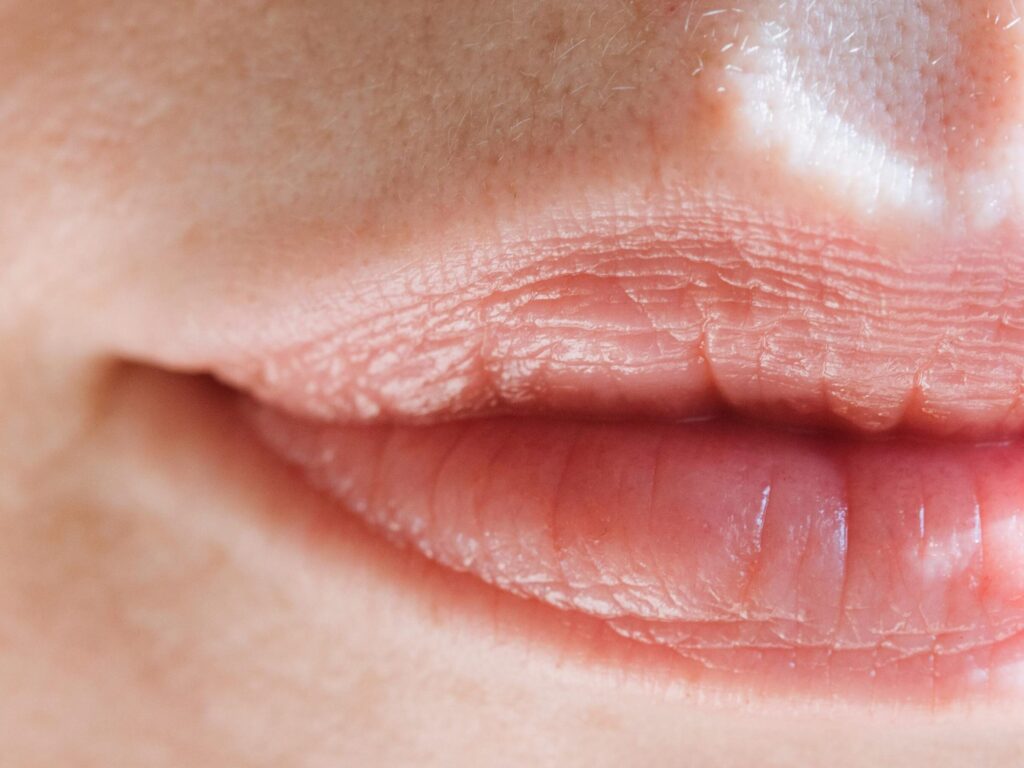
Both experiences can be true.
Lip filler is one of the most variable filler treatments.
Why yours may disappear faster:
Your metabolism
Some people naturally break down hyaluronic acid more quickly. I have a patient that has done lip filler several times over a year’s span and her lips are only slightly bigger than her original lips. However, the patients who’s filler tends to go quickly do tend to be the most active.
Lip movement
Your lips move constantly. Everyday we’re talking, eating, drinking, smiling, etc.
Movement may contribute to faster remodeling compared with more static facial areas.
Product choice
Not all fillers are designed for the same purpose. Some prioritize softness.
Others prioritize structure.
Softer fillers often integrate beautifully but may not provide the same longevity as firmer products in certain areas.
Perception
Sometimes the filler hasn’t disappeared.
You’re just accustomed to your new lips!
This is called adaptation: your brain begins accepting the enhanced appearance as your new normal making it hard to remember your original state.
Did your friend’s filler really last years?
Possibly, it depends how often she had treated. There can be:
- residual product in the lips
- collagen remodeling
- repeated maintenance treatments done
- natural tissue changes
Research generally finds hyaluronic acid filler can remain detectable on imaging much longer than expected in some individuals, even when visible volume has diminished.
Takeaway: Lip filler longevity varies enormously. It’s normal for some patients to seek maintenance around 6–12 months, while others notice meaningful volume beyond a year.
4. My friend used one filler throughout her face and looked amazing. Why are you recommending five different fillers for me?
Most fillers are not interchangeable. The fillers we would use in cheeks or jawline (mimicking bony prominences) aren’t the same fillers we would use to create soft looking lips.
Each filler has different physical properties.
Some are:
- softer
- firmer
- more elastic
- more cohesive
- better for movement
- better for structural support
It’s because your cheeks experience different forces than your lips.
Your chin has different structural needs than your under-eyes.
That’s why many injectors choose different fillers for different anatomical areas.
Using one filler everywhere can sometimes work, but it may not always produce the most natural or longest-lasting result.
Also, some people and anatomical features respond better to filler than others. So comparison never really helps when talking about injectables.
5. I bruised after Botox or filler, but I never bruise! Did my injector do something wrong?

Usually not. Bruising is one of the most common temporary side effects of injections.
Even the most experienced injector cannot see the millions of tiny blood vessel beneath the skin.
A bruise simply means a small blood vessel was nicked.
Factors that increase bruising include:
- naturally fragile blood vessels
- aspirin or NSAIDs (when medically appropriate to avoid)
- fish oil
- vitamin E
- alcohol
- vigorous exercise shortly after treatment
- genetics
Some appointments produce no bruising.
The next appointment, performed exactly the same way, may result in a bruise. It’s normal and, beside being an aesthetic annoyance, doesn’t always equal bad technique.
That’s normal.
Takeaway: A bruise alone is not evidence of poor injector skill. Persistent pain, rapidly expanding swelling, blanching, or changes in skin color are different and require immediate medical evaluation.
6. I can feel the filler under my skin the day after treatment. Is this normal?
Typically, yes.
Immediately after treatment, filler may feel:
- firmer
- lumpier
- more noticeable
Why?
Because the area is still healing, which involves:
- swelling
- mild inflammation
- temporary firmness
- localized tenderness
Many hyaluronic acid fillers soften and integrate with surrounding tissue over the next 1–2 weeks.
However, it’s always best to contact your injector if you experience:
- severe pain
- skin turning white or purple
- worsening swelling
- fever
- drainage
- significant asymmetry that rapidly worsens
It’s better to be safe than sorry in these scenarios so if something looks off, the injector would most likely feel better if you voiced it, even if it ends up being a false alarm.
Takeaway: Feeling filler shortly after treatment is often a normal part of the healing process, but concerning symptoms should never be ignored.
Hopefully these answers help people know a little bit more of what to expect (or the many expectations) involved with injectables!






You must be logged in to post a comment.